The After-Death Checklist
|
The death of a loved one is devastating. The emotions surrounding the loss are often exacerbated by having to manage all of the questions, paperwork and other challenges associated with administering the deceased’s estate. Both probate and trust administration are long processes that can cause family tension and added stress. Here are a couple of things you can do right away, to ensure a smoother estate administration process.
Contact Our Office
As soon as someone passes away, it’s good to reach out to our office so we can help you navigate this difficult process. While probate and trust administration can take months, there are some steps you can take very early on that will limit the roadblocks along the way. Our team can help identify those early action items, to get you a head start on the estate administration. No matter whether our firm has drafted the Will or Trust documents, we are here to help. Give us a call and we can help prioritize which tasks need to be completed first, and which can wait, while you mourn the death of your loved one.
Obtain Death Certificates
After someone passes away, there will be an official death certificate issued. This crucial piece of paperwork will be requested at numerous stages of the process. The court, financial institutions, life insurance companies, funeral homes, and other organizations may all request a death certificate, so be sure to request multiple copies. Typically, the next of kin requests the death certificates, but ultimately, the administrator or executor will need death certificates to carry out most of the next steps.
|
Collect Statements and Other Important Documents
One of the more tedious tasks upon someone’s passing is actually identifying all of their assets. It’s important to collect all financial statements, including bank statements, annuity or brokerage accounts, retirement accounts, as well as copies of stocks and bonds, deeds for real property, Social Security statements, and even the previous year’s tax returns. Additionally, depending on what kind of estate planning was in place (if any), you should collect the deceased person’s Will or Trust documents for our firm to review.
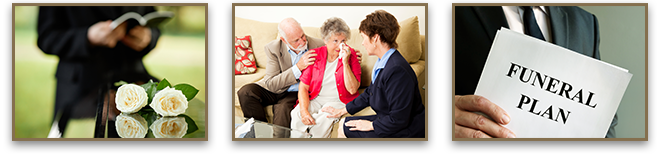
Arrange Funeral and Burial Plans
Hopefully your loved one established their post-death wishes. This includes decisions about whether they wish to be buried or cremated, or whether to have a large funeral or small gathering with family only, or even where to host a memorial. If they did not leave these wishes documented anywhere, that leaves decision making up to the family, and they are decisions that typically need to be made quickly. You should also consider contacting the Veterans Administration or other similar associations to find out whether there are special services, financial assistance, or other honors that may be available.
Secure the Property
If the deceased owned any property, it should be locked and secured as soon as possible. Consider changing locks on the property and installing security cameras. Unfortunately, many criminals watch the obituary section of the newspapers to learn which properties may be open and unattended. Even distant relatives may make a visit to the property to see what they can get before anyone notices it’s gone. You should also notify the post office of the death, so mail doesn’t start to pile up, or have it redirected elsewhere so it’s not as obvious that the property is vacant. Consider leaving utilities on at the property to make it look like someone is home.
|
In summary, our goal is to make a painful process a little easier on you and your family. We want to help you navigate the paperwork and steps needed to get the deceased’s assets where they need to go upon death.
|
The Rise in Charitable Planning
|
Most people plan to leave their assets to their children, nieces and nephews, grandchildren, or other family members. However, there’s a growing trend in estate planning that incorporates charitable giving. There are many benefits to charitable giving that go beyond the obvious motivator, which is supporting a group, organization or cause that you love. The estate planning and tax planning landscape is ever-changing, and charitable giving is one path that might align with your goals.
Charitable giving is becoming more appealing because it often results in tax benefits. Currently, the federal estate tax exemption is $12.92 million per person or $25.84 million for a couple, for the tax year 2023. As a simplified explanation, people with more than that amount in their taxable estate at death may be subject to a hefty tax bill. If you’re thinking ‘well, that doesn’t apply to me, I don’t have that much in my estate’ - think again!
Those amounts change every year, and are scheduled to be cut in half in 2026. So while your assets and taxable estate may not reach that exemption threshold now, they may in the next few years. Between asset growth and the exemption amount being slashed, more people will fall into the category of owing a federal estate tax at death. And that just accounts for federal estate taxes, and not different states’ estate tax or inheritance tax (fortunately, Virginia does not have an estate or inheritance tax - for now).
This is where charitable giving may play a role. Generally, you receive beneficial tax treatment for gifts to charity; but it comes in different forms. There are also different ways to engage in charitable giving, and each require slightly different levels of planning. Your plan may need a balance between gifting during life and planned gifting after death. You may choose to gift assets through a community foundation, a private family foundation, charitable remainder trusts, charitable lead trusts, an outright gift, or one of many more options. It is important to identify your goals and relay them to your estate planning attorney (who should also work closely with your financial advisor) to get the proper gifting vehicles established.
Although there are other methods of reducing your potential estate tax liability, many clients choose to give back to a cause or organization that means something to them. Even those who never considered charitable giving are beginning to realize that it may be an important part of their plan, for tax purposes. Even though laws are constantly changing, we can help you make a plan for your goals. Contact our office today if you want to learn more about charitable giving and how to incorporate that into your estate plan.
|
Contact us today to discuss your estate plan.
|
500 Viking Drive, Suite 103
Virginia Beach, VA 23452
Tel: 757-271-6275
Fax: 757-273-7129
www.manzlawfirm.com
|
|